
A lot of the women who come to us during perimenopause or menopause say some version of the same thing: their body doesn’t seem to respond the way it used to, and it’s frustrating in a way that’s hard to explain to someone who hasn’t been through it. If that sounds familiar, you’re not imagining it, and you’re absolutely not alone.
Symptoms vary hugely from one woman to the next. Energy, sleep, mood, strength, body composition. Any or all of it can shift and for some women it’s manageable while for others it genuinely disrupts everyday life. We also hear, more often than we’d like, from women who didn’t feel properly listened to the first time they raised it with a GP or healthcare professional.
So before anything else: please don’t give up on getting the support you deserve. If your first conversation with a doctor didn’t get you anywhere, ask again, ask for a second opinion, or look into specialist menopause support if that’s an option for you. You’re entitled to be taken seriously. On the exercise and lifestyle side, that’s exactly where we come in, helping you find a way of moving that actually feels manageable and worthwhile for where you are right now, not where you were ten years ago.
What’s Actually Going On
Perimenopause is the run-up to menopause, when hormone levels start shifting around. Menopause itself is officially reached once you’ve gone twelve months without a period. In between, the list of possible symptoms is long:
- Hot flushes and night sweats
- Difficulty sleeping
- Fatigue
- Changes in mood, including irritability or low mood
- Anxiety
- Brain fog and difficulty concentrating
- Changes in body composition
- Loss of muscle mass and strength
- Joint aches and stiffness
- Headaches
- Reduced confidence or motivation
- Changes in cardiovascular and bone health over time
With that much going on, it’s completely understandable that exercise is often one of the first things to slip. If you’ve barely slept, a tough workout is genuinely the last thing your body wants. But this is also exactly the stage of life where staying active earns its keep the most.
Why Movement Matters More Than Ever Right Now
1. Holding onto muscle and strength Muscle mass naturally declines with age, and hormonal changes around menopause can speed that up, which is a big part of why we’re such advocates for strength training. This doesn’t mean powerlifting or hours in a gym; dumbbells, resistance bands, kettlebells and bodyweight work all count. It’s not about how you look. It’s about staying capable, independent and able to keep doing the things you actually enjoy.
2. Protecting your bones
Falling oestrogen levels can reduce bone density, so weight-bearing movement and resistance training both matter more here than they might have at 30. This is one of the reasons a good programme should never be cardio-only.
3. Working with your changing body, not against it.
Some women notice shape or weight distribution shifting, particularly around the middle, and it can be genuinely frustrating when what used to work suddenly doesn’t. The answer isn’t cutting calories drastically or exercising harder out of frustration, it’s reassessing the whole picture: strength work, cardio, everyday movement, decent nutrition and enough recovery. Try not to treat your body as something to be punished for changing. It’s just doing what bodies do.
4. Supporting your mood.
Exercise isn’t only physical. Regular movement helps with stress, mood and a sense of routine, all of which matter more when hormones are affecting how you feel day to day. Some days that’s a full strength session. Other days, after a rough night, it’s simply getting outside for twenty minutes. Both genuinely count.
5. Looking after your heart.
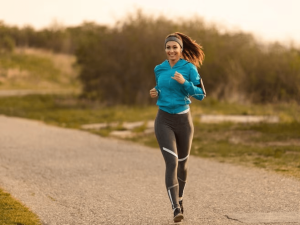
Cardiovascular health matters increasingly as we get older, and walking, cycling, swimming or a gentle run all contribute. High intensity isn’t the goal, consistency is worth far more than pushing yourself to the edge every session.
6. Feeling like yourself again.
Many women tell us they just don’t feel quite like themselves during this stage. Energy’s different, sleep’s different, confidence has taken a knock. Watching yourself get stronger or more capable can be genuinely empowering, and it doesn’t have to be about weight or appearance at all. Sometimes it’s simply about feeling like you’re back in your own body.
Your Routine From 30 Might Not Be Right for You Now, and That’s Fine
The plan that worked years ago doesn’t need to be abandoned, it just might need adapting. More attention to recovery, a bit more resistance work, adjusting intensity after a poor night’s sleep, more focus on mobility if you’re feeling stiff. There’s no single “menopause workout” every woman should follow. The right approach depends entirely on your fitness, history, symptoms and goals, which is exactly why we build every programme individually rather than handing out a template.
Please Don’t Give Up on This
If you’re finding perimenopause or menopause difficult, physically or emotionally, you don’t have to just put up with it. Keep asking for the medical support you need. And when it comes to staying active, you don’t have to work it out alone either.
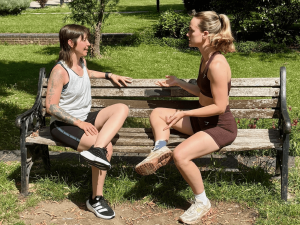
We’ve supported women across locations like Stoke Newington, Crouch End, Canonbury and De Beauvoir through this exact stage of life, with bespoke training designed specifically around perimenopause and menopause, alongside strength training and mobility work where it’s needed. Sessions happen at home, in a local park, in a GymPod, or online, wherever and however fits your life across East and North London.
You might need to train differently. You might need a bit more support. You might need to start slowly. But please don’t give up on moving your body, we’re here to help you keep going.
Book your free fitness consultation with KBPT today, and let’s find an approach that genuinely works for you.