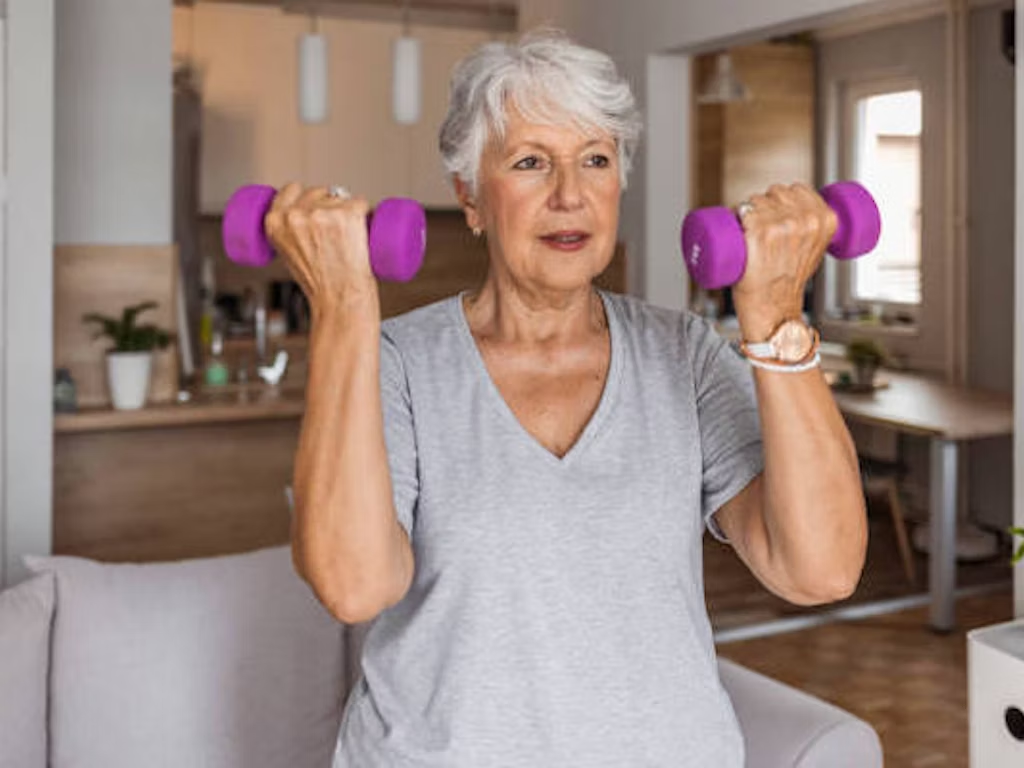
What kind of support does KBPT provide?
We work with you to devise a safe exercise plan that helps to improve your strength, flexibility and balance. If you’ve not done any physical activity for a while, we focus on light activities, such as chair-based exercises and yoga stretches. If you’re already quite active, we can recommend more vigorous cardiovascular exercises. More than anything, we’ll make sure your workouts are fun.
What are the benefits of regular exercise?
Exercising in later life is important for your physical health and can also have a positive impact on your mental wellbeing. The benefits include:
- Lessens daily aches and pains
- Reduces the risk of certain health conditions, such as heart disease, stroke, Type 2 diabetes, dementia and some cancers
- Boosts your mental health (e.g. builds confidence and gives you a sense of achievement)
- Makes you steadier on your feet and less likely to fall
- Improves your cognitive function (e.g. solving problems and remembering things)
- Builds and maintains strong bones
- Makes it easier for you to get a good night’s sleep
- Helps you to live independently for longer
What Are the Benefits of Regular Exercise in Later Life?
Exercising in later life is essential for maintaining both your physical health and mental well-being. Regular activity can help you stay strong, independent, and mentally sharp. Here are the key benefits:
- Lessens daily aches and pains – Gentle movement improves joint flexibility and reduces stiffness, easing common discomforts.
- Reduces the risk of major health conditions – Exercise lowers the chances of heart disease, stroke, Type 2 diabetes, dementia and some cancers by boosting circulation, improving insulin sensitivity and supporting immune function.
- Boosts your mental health – Physical activity releases endorphins that improve mood, build confidence, and give a rewarding sense of achievement.
- Improves balance and coordination – This helps you stay steadier on your feet, reducing the risk of falls and injuries.
- Enhances cognitive function – Exercise supports brain health by improving memory, problem-solving skills and mental clarity.
- Builds and maintains strong bones – Weight-bearing and resistance exercises slow bone loss and lower the risk of osteoporosis.
- Improves sleep quality – Being active promotes deeper, more restful sleep essential for overall well-being.
- Helps you live independently for longer – Strength, balance, and endurance make daily tasks easier and support continued independence.
- Promotes social connection – Joining group activities or classes helps combat loneliness and encourages a sense of community.