As we move into May and London starts to feel a little brighter, many people across East London and North London are looking for ways to support their training, boost recovery and feel their best heading into summer.
From early morning dips to ice baths in boutique gyms, cold water plunging has quickly become one of the most talked-about trends in fitness and wellness. Whether you’ve seen it on social media or heard friends talking about it after a session in Clissold Park or Victoria Park, it’s hard to ignore.
But is cold water therapy for fitness recovery actually worth it, or just another passing trend?
At KBPT, we focus on what genuinely supports long-term progress, not quick fixes. Let’s break it down so you can decide what’s right for you.
What Is Cold Water Plunging?
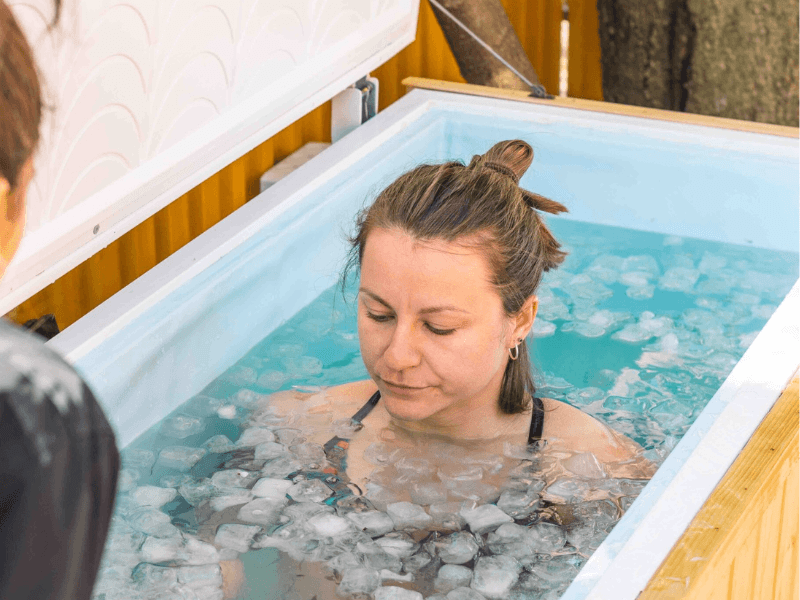
Cold water plunging, also known as cold water immersion or ice bath recovery, involves submerging your body in cold water, usually between 8–15°C, for a short period.
For some, that’s a plunge pool at the gym. For others, it’s wild swimming, cold showers, or a quick dip after a run through Highgate or Hampstead Heath.
The idea is simple: cold exposure may help reduce muscle soreness, support recovery and build mental resilience. But like most things in fitness, it’s not one-size-fits-all.
Does Cold Water Therapy Help Muscle Recovery?
If you’ve ever increased your training, you’ll know how intense soreness can feel.
For many clients, recovery is one of the biggest challenges when building consistency.
Cold water immersion works by constricting blood vessels, which may reduce inflammation and swelling. Many people report feeling less sore 24–48 hours after training.
So yes, cold water therapy can support recovery, particularly if you’re training multiple times per week.
However, balance matters.
Inflammation is part of how your body adapts and gets stronger. Some research suggests that using ice baths immediately after every strength session may slightly reduce muscle growth over time.
If your goal is building strength or improving body composition, this doesn’t mean avoiding cold exposure. It just means using it strategically, not automatically.
The Mental Benefits: Where Cold Exposure Stands Out
One of the biggest benefits of cold water plunging isn’t physical, it’s mental.
Stepping into cold water requires focus, control and calm breathing. Your body initially reacts with stress, but as you regulate your breath, your nervous system begins to settle.
This can help:
- Improve stress management
- Build mental resilience
- Increase focus and clarity
- Support nervous system regulation
For many of our clients balancing careers, commuting and training across North and East London, managing stress is just as important as the workouts themselves.
Cold exposure, paired with breath work, can become a powerful tool for feeling more in control, both in and out of the gym.
Can Cold Water Plunging Support Fat Loss?
You may have seen claims that ice baths boost metabolism or dramatically increase calorie burn.
While your body uses energy to maintain temperature in cold conditions, the actual calorie burn from a short plunge is small.
If your goal is fat loss or building strength with a personal trainer, results will come from:
- Consistent training
- Balanced nutrition
- Sustainable habits
Cold water therapy can support your routine, but it is not a shortcut or replacement for the basics.
When Cold Water Plunging Can Be Helpful
Cold water immersion can be useful if:
- You are training 3–4 times per week
- You feel particularly sore or fatigued
- You are preparing for an event or higher training volume
- You want to build mental resilience
- You are looking for additional recovery tools
For example, if you’re training regularly and starting to feel the impact of increased volume, occasional cold exposure may help you stay consistent.
When It Might Not Be Necessary
Cold plunging may be less beneficial if:
- Your main goal is muscle building
- You are already struggling with recovery
- You are using it daily without intention
- You are prioritising intensity over consistency
At KBPT, we always come back to the basics first. Sleep, nutrition, training structure and stress management will always have a bigger impact than any single recovery tool.
How to Try Cold Water Safely
If you’re curious about introducing cold exposure, keep it simple.
Start with:
- Cold showers for 30–60 seconds
- Gradually building up to 2–3 minutes
- Focusing on slow, controlled breathing
- Keeping it occasional rather than daily
There is no need to push extremes. Consistency and comfort matter more than intensity.
Fad or Fabulous?
Cold water plunging sits somewhere in the middle.
It’s not a magic solution. It won’t replace structured training, good nutrition or consistency.
But it’s not just a trend either.
When used intentionally, cold water therapy can support recovery, manage soreness and build mental resilience, especially for busy London lifestyles.
At KBPT, we focus on building strong, confident bodies through realistic, sustainable routines. Recovery strategies like mobility, breath work and cold exposure are tools we use when they genuinely support your goals.
Ready to Build a Routine That Actually Works?
If you’re looking for a personal trainer in East London or North London and want support building a routine that balances training, recovery and real life, we’re here to help.
Whether you’re curious about recovery tools like cold exposure, or simply want to feel stronger, more energised and more consistent, we’ll guide you through what works for you.
Book your free consultation with KBPT today and let’s build a training and recovery plan that fits your lifestyle.
Or, if you’d prefer to start with a conversation, book a free fitness check-in call and we’ll help you take the next step with clarity and confidence.
Strong results come from smart training, supported by the right habits.