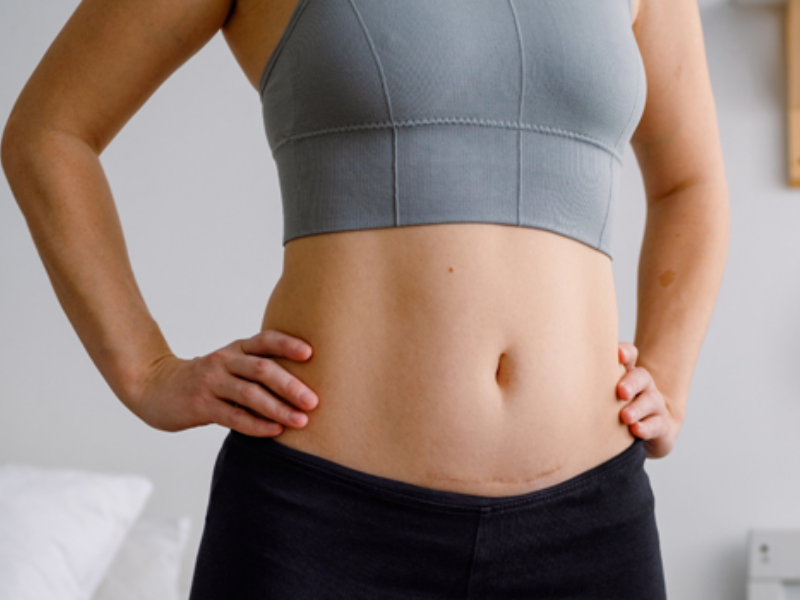
Having a caesarean section (C-section) can be a vital, life-saving way to bring your baby into the world. Whether your C-section is planned or an emergency, it’s important to understand how it impacts your body, and how exercise (before and after surgery) can support your recovery. Many women ask, “When can I start exercising after a C-section?” or wonder whether postnatal exercise after caesarean delivery is safe. The truth is: with the right preparation and a gradual return to movement, you can recover well, feel confident in your body and protect your long-term health.
Preparing for a Planned C-Section with Exercise
If your C-section is scheduled, there are pregnancy-safe exercises that can help you prepare physically and mentally, while also laying the groundwork for smoother recovery afterwards:
- Pelvic floor exercises: Even with a caesarean birth, your pelvic floor works hard during pregnancy. Practising Kegels supports circulation, reduces pressure, and helps healing.
- Deep core breathing: Diaphragmatic breathing connects you to your transverse abdominis (your deep “corset muscle”). This is not sit-ups but actually, it’s gentle breath work that maintains awareness of your core.
- Mobility and posture drills: Pregnancy often rounds the shoulders and tightens hips. Gentle yoga, stretching, and posture awareness exercises can ease discomfort and prepare you for post-surgery movement.
- Walking: Low-impact cardio keeps circulation flowing, supports fitness, and reduces the risk of blood clots after surgery.
- Strength training: Safe resistance exercises (light weights, bands or bodyweight) help maintain tone and prepare your body for lifting and carrying your baby.
Every pregnancy is unique. Working with a trainer who understands pregnancy exercise ensures you’re moving safely and effectively. At KBPT, our all-female team specialises in supporting women through every stage of pregnancy and postnatal life. We help you prepare for your C-section and build strength for the recovery ahead.
The First Six Weeks After a C-Section
A C-section is major abdominal surgery. In the first few weeks, recovery is your focus. You may be eager to move, but the priority is rest, healing, and reconnecting with your body.
Safe early steps include:
- Short, gentle walks around your home or garden to support circulation and reduce stiffness.
- Pelvic floor activation and breathing as soon as you feel comfortable, to gently reawaken deep core muscles.
- Scar care awareness to ensure healing and watch for any signs of infection.
- Avoiding heavy lifting, aside from your baby, while your abdominal wall repairs.
This stage isn’t about fitness. It’s about giving your body the time and care it needs to heal.
Why You Need a Mummy MOT and Scar Check
Before beginning structured postnatal exercise after C-section, it’s strongly recommended to book a Mummy MOT with a women’s health physiotherapist. This check helps you understand your recovery by assessing:
- Pelvic floor strength and function
- Abdominal separation (diastasis recti)
- C-section scar mobility and comfort
- Breathing, posture and core engagement
Scar checks are especially important. Many women experience numbness, tightness, or discomfort around the scar.
Physiotherapists can teach safe massage techniques to release tissue, making it easier and safer to move into exercise.
Returning to Exercise at 12 Weeks Post-C-Section
Most women are cleared for more structured movement around 12 weeks post-surgery, provided you’ve had medical clearance (and ideally a Mummy MOT). This is where working with a postnatal personal trainer in East London makes a big difference.
At KBPT, we design personalised programmes for women returning to exercise after caesarean delivery. We:
- Focus on rebuilding pelvic floor and core strength safely
- Avoid exercises that place unnecessary strain on healing tissues
- Adapt training to your lifestyle, energy and sleep as a new mum
- Provide accountability, motivation and emotional support
What to Start With and What to Avoid
Safe starting points include:
- Walking (gradually increasing pace and distance)
- Low-impact cardio (swimming, stationary cycling, or elliptical)
- Core reactivation (breathing drills, pelvic tilts, stability work)
- Resistance training (light bands or bodyweight focusing on glutes, back, arms)
- Posture and mobility drills (hip openers, gentle yoga, shoulder retraction)
Exercises to avoid too soon:
- Running, jumping or HIIT workouts
- Crunches, sit-ups or planks in the early months
- Heavy lifting that strains your core
- Deep twisting or backbends that pull on the scar
The key is progression over perfection. Build a strong, functional base before adding intensity.
Support Your Recovery with KBPT
Returning to exercise after a caesarean can feel overwhelming, but you don’t need to do it alone. At KBPT, we specialise in postnatal personal training for women in East London. We work at your pace (at home, in your local park or online) to help you rebuild strength, confidence and energy safely.
Your C-section recovery is the beginning of a new chapter. With the right guidance and support, you can feel strong, empowered, and ready for the demands of motherhood.