As we come to the end of May and the warmer weather settles across East London and North London (for now!), training naturally starts to feel different.
You might be walking more, training outdoors in places like Victoria Park or Clissold Park, or noticing your sessions feel more demanding as temperatures rise.
At the same time, many people are focused on improving performance, building strength or working towards fat loss goals. But one key area is often overlooked, despite having a direct impact on all of these: hydration.
At KBPT, we regularly work with clients who are training consistently but feeling fatigued, lightheaded or struggling to push during sessions. Often, the issue is not effort, it’s hydration!
Understanding the role of hydration and electrolytes for training performance can make a noticeable difference to your energy, recovery and consistency.
Why Hydration Matters for Training Performance
Water plays a role in almost every function in your body.
From regulating temperature to supporting muscle contractions and joint function, staying hydrated is essential for effective training.
Even mild dehydration can impact:
- Strength and endurance
- Focus and coordination
- Energy levels during workouts
- Recovery between sessions
If you are heading into a personal training session in East London or North London already dehydrated, your body is starting at a disadvantage.
You may feel weaker, tire faster and struggle to maintain intensity, particularly during strength training or high-intensity sessions.
Over time, this slows progress and makes consistency harder to maintain.
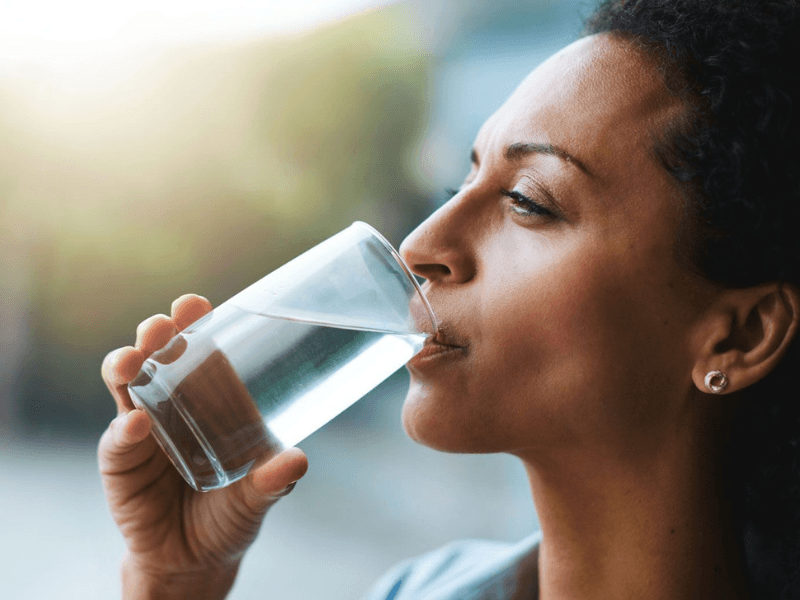
Hydration is not just about what you drink during your workout. It is about how you hydrate across your entire day.
What Are Electrolytes and Why Do They Matter?
Electrolytes are essential minerals, including sodium, potassium and magnesium, that help regulate fluid balance, nerve function and muscle contractions.
When you sweat during training, particularly in warmer conditions or intense sessions, you lose both water and electrolytes.
Replacing water alone is not always enough.
Electrolytes help to:
- Maintain fluid balance
- Prevent muscle cramps
- Support nerve signalling
- Improve endurance
For clients training with us in places such as Stratford, Stoke Newington or Highgate, especially those combining strength and outdoor sessions in Olympic Park, Victoria Park or Highbury Fields, maintaining electrolyte balance helps you feel more energised and capable.
Signs You May Be Under-Hydrated
Many people underestimate how much fluid they need, especially with busy London lifestyles.
Common signs include:
- Headaches
- Dizziness
- Muscle cramps
- Fatigue
- Dry mouth
- Reduced performance
If you often feel flat during workouts, hydration is one of the first things to check. It’s s a simple change with a big impact.
How Much Water Do You Need?
There is no one-size-fits-all answer, but most active adults need around 2–3 litres per day.
If you are training regularly across East London or North London, your needs will likely be higher.
A practical approach:
- Drink consistently throughout the day
- Have water with meals
- Carry a bottle when commuting
- Increase intake on training or warmer days
Urine colour is a simple guide. Pale yellow usually indicates good hydration.
When Should You Consider Electrolytes?
Electrolytes are not always necessary, but they can help if you are:
- Doing longer or high-intensity sessions
- Training outdoors in warmer weather
- Sweating heavily
- Training multiple days in a row
- Feeling depleted despite drinking water
You can also get electrolytes from whole foods:
- Sodium from salt
- Potassium from bananas and potatoes
- Magnesium from leafy greens and nuts
For most people, improving hydration habits should come first.
Hydration and Fat Loss
Hydration also supports fat loss.
When dehydrated:
- Hunger signals can become confused
- Cravings increase
- Energy drops, reducing activity
For clients working towards fat loss in East London or North London, staying hydrated helps regulate appetite and maintain consistent training.
It is not a quick fix, but it supports long-term results.
Simple Hydration Habits That Work
You do not need a complicated plan. Small habits make the biggest difference:
- Start your day with a glass of water
- Drink before you feel thirsty
- Keep a water bottle visible
- Add electrolytes after intense sessions
- Hydrate after workouts
If you train early, avoid starting your session dehydrated. Preparation Really matters!
Build Strong Foundations First
It is easy to look for advanced strategies when progress stalls. But often, the basics need attention.
At KBPT, we focus on strong foundations for our clients:
- Structured training
- Balanced nutrition
- Proper recovery
- Consistent hydration
Hydration and electrolyte balance may seem simple, but they support everything else.
Train Better by Staying Hydrated
If you want to feel stronger, improve performance and recover better, start with the basics.
Are you drinking enough water?
Are you replacing what you lose through sweat?
Are you supporting your body outside of training?
If you are unsure how to structure your training, nutrition and hydration for fat loss or strength training in London, we can help.
Book your free consultation with KBPT today and we will create a plan tailored to your lifestyle.
Or, book a free fitness check-in call for clarity on your next steps.
Strong training starts with strong foundations. And hydration is one of the most important.