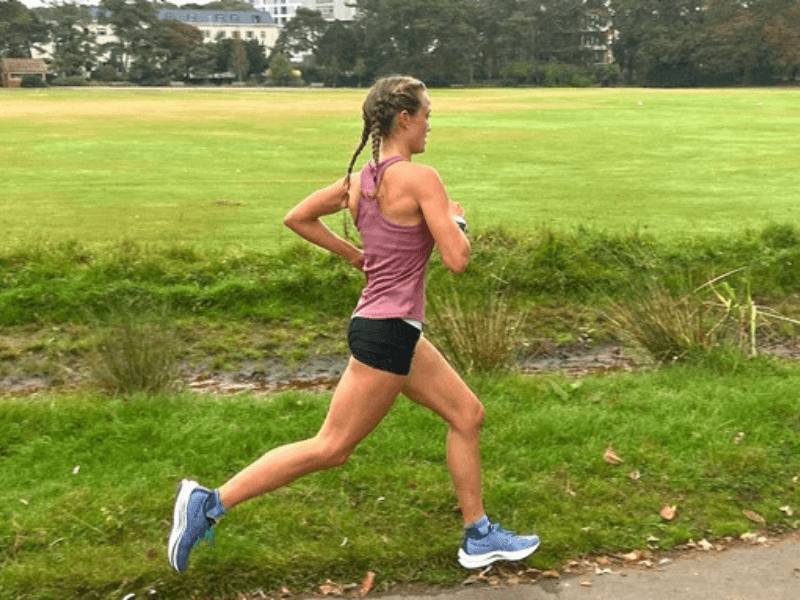
If you’ve set yourself the goal of running your first 10K in 2026, you’re not alone. Every January, thousands of women across East London look for accessible, confidence-boosting fitness goals that genuinely support their mental and physical wellbeing. A 10K is one of the most achievable, empowering distances. Long enough to feel like a huge accomplishment but beginner-friendly with the right structure.
At KBPT, we’ve coached countless women from Hoxton, Dalston and Stepney through their first race, using a holistic approach that blends running technique, strength training, mobility and sustainable lifestyle habits. This guide gives you everything you need to build fitness gradually, avoid injury and cross the finish line feeling strong.
Why a 10K is the perfect New Year goal
January is full of quick fixes, restrictive plans and goals that fizzle out by February. A 10K is different. It’s measurable, motivating, realistic and rooted in positive habits, not punishment.
It builds:
- cardiovascular fitness
- muscular endurance
- confidence in your body
- mental clarity and stress reduction
- a consistent weekly training routine
And unlike many New Year fitness trends, running is free, flexible and accessible, whether you’re heading out for laps of Victoria Park, London Fields or exploring the canal paths in East London.
Start slowly: consistency beats intensity
One mistake beginners make is trying to run too fast or too far straight away. The most effective training for your first 10K focuses on gentle, repeatable sessions that build your aerobic base.
A beginner-friendly weekly structure could include:
- One longer, slower run (building distance gradually)
- One steady run where you maintain a comfortable pace
- One shorter or slightly faster session (introduced only once the first two feel manageable)
Your goal is conversational pace, if you can speak a short sentence, you’re in the right zone. If you’re gasping, slow down. Aerobic endurance grows through patience, not pushing to the limit.
Run-walk intervals are absolutely valid
If you can’t yet run continuously, use intervals. For example:
- Run 1 minute
- Walk 1–2 minutes
- Repeat for 20–30 minutes
Over time the walk breaks naturally reduce. Progress should feel possible, not punishing.
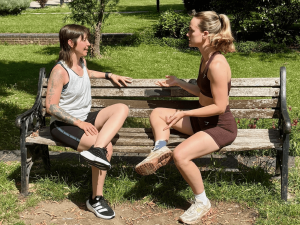
Strength training: the secret to injury-free running
Many runners assume that more miles equal better performance, but at KBPT we see time and time again that strength work is what keeps women injury-free, powerful and confident on race day.
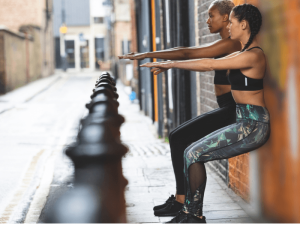
Include 1–2 weekly strength sessions focused on:
- Glutes (bridges, hip thrusts, split squats)
- Quads & hamstrings (squats, lunges, hamstring curls)
- Calves & shins to reduce overuse niggles
- Core stability to maintain posture and efficiency
You don’t need a gym to get results, smart, consistent bodyweight training makes a significant difference.
A stronger body absorbs impact, maintains form under fatigue and improves stride efficiency, making the 10K distance feel smoother, lighter and more enjoyable.
Recovery is part of your training plan
Progress doesn’t happen during the run, it happens after. Rest and recovery are essential for adapting to training stress.
Simple recovery habits:
- Cool down with gentle walking rather than stopping abruptly
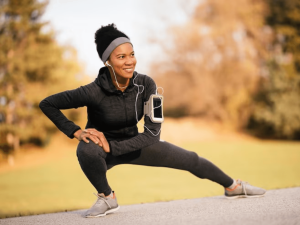
- Add 5–10 minutes of stretching for hips, hamstrings and calves
- Use light foam rolling when mileage increases
- Prioritise 7–9 hours of sleep
- Eat a balanced snack (carbs + protein) within an hour of longer runs
Running more isn’t the goal, running better is. For most beginners, three runs a week plus strength work is the sweet spot.
Fuel yourself for performance
You don’t need complicated nutrition strategies for a 10K, but eating enough, especially in January when diets are everywhere, is essential.
Aim to:
- eat regular meals
- fuel before longer runs (banana, toast, cereal)
- rehydrate consistently
- avoid skipping meals
Restriction will slow your progress; energy supports it.
Building confidence: mindset matters
Running is as much a mental training process as a physical one. It’s normal to have days where running feels harder, what matters is the habit, not perfection.
Some KBPT-approved mindset strategies:
- Celebrate small wins (your longest run, a new route, feeling less breathless)
- Train with a friend for accountability
- Run in places you enjoy – parks, trails, familiar neighbourhoods
- Accept that progress is rarely linear
- Keep your “why” visible: strength, clarity, confidence, community
Starting is the hardest part. Once the habit builds, motivation follows.
Your 10K training timeline
Most beginners can comfortably train for a 10K in 8–10 weeks, but there’s no pressure, extending the timeline often reduces stress and improves consistency.
A typical KBPT-style progression looks like:
- Weeks 1–2: Build routine, focus on run-walk intervals
- Weeks 3–4: Increase continuous running
- Weeks 5–6: Introduce a longer run
- Weeks 7–8: Add small doses of faster work if comfortable
- Weeks 9–10: Gradually increase long run to 8–9 km
Your longest training run doesn’t need to be the full 10K; the adrenaline on race day carries you the rest of the way.
Want personalised support?
If you want expert coaching for your first 10K, KBPT’s personal trainers can build a plan tailored to:
- your current fitness
- injury history
- lifestyle and schedule
- mental wellbeing
- motivation style
From structured running plans to strength coaching and accountability, we’ll help you achieve your New Year goal with confidence.